

Applied Karate or Traditional Karate…what’s the difference?

After considering this for some time, I think the best way to explain the difference is that whilst in many cases we use the same methods and techniques in
our training, with Applied Karate we are encouraged to question and test our methods and techniques. Why do we train in a certain way? What overall benefits do these methods bring to our practice and understanding of the Art?
With Applied Karate the focus is not on competing with others but trying to simply bebetter today than we were yesterday. This is where the real challenge lies, but alsowhere, we believe, the key benefit to our practice resides.
Even though we share a lot with Traditional Karate in that we both practice kihon (basics), kata (forms) and kumite (sparring) our focus is very different in a number of ways…
- For us it’s not just about maintaining the ‘old ways’ but looking to build our
understanding of what makes Karate relevant. This means being free to look
outside our ‘style’ and consider and question other practices. Even though
we’ve emerged from a particular school or style of karate – Karate is simply
Karate. - Karate is in our movement – not in perfectly posed stances. Movement
should be dynamic and fluid and not static. This is a key focus point for
Applied Karate. - Karate contains many concepts to help understand how to effectively develop
our karate. It is in understanding these concepts, not simply memorising the
techniques, that we grow and develop our karate. - Kihon, kata and kumite are all connected. They should not be practiced as if
they are three different/unconnected disciplines. The concepts inherent in
kihon inform kata, and kata informs kumite. We must actively look for the
links and thus the underlying concepts. - Kata are not simply forms to be remembered and performed as some type of
aesthetic dance. Kata contain many fighting concepts to be learned and
understood. Progress on your Karate journey cannot happen without
developing a deep understanding of the concepts inherent in the kata. - Karate has more that just blocks, punches and kicks. There are also locks,
throws, and grappling. All of which are practiced in Applied Karate. - Conflicts start at different ranges – not just at competition range (about 2m).
To that end with Applied Karate we practice engaging from outside kicking
distance, all the way into grappling distance, and then onto the ground. All
distances that demand different thinking and methods. - Most traditional karate clubs focus on competitive practices. This can be
enjoyable and certainly help in the development of confidence for younger practitioners. However, an over dependence on a competitive ruleset has greatly reduced the range of techniques and practices being taught down to a set of techniques designed to reduce the chances of injury on the competition floor. We, Applied Karate practitioners, believe Karate practice should include as wide a range of techniques as possible. With Applied Karate the practitioners are introduced to a much wider range of techniques and concepts from which to learn, and use. - Karate is a personal journey. The student is not there to mimic the instructor, but to understand, identify and develop a style of karate that fits with their ability. In Applied Karate the focus is on fitting Karate to an individual’s needs and abilities. It is not about fitting the individual to a preconceived image of what a (competitive) Karate practitioner looks like.
- Karate is for life – not just until you stop competition. As such, Applied Karate has a lot to offer adult practitioners of all ages. If one is simply interested in developing a level of fitness, flexibility, and mobility for life then Karate is an excellent place to start.
All that said, there is a place, I believe for both Applied and Traditional Karate. For example, Traditional Karate is great for kids who may not be into team sports, but who need to burn off a lot of energy. The competitions also provide a great way to build confidence, physical control, focus, and a sense of responsibility amongst young people. Adults will also benefit from the flexibility training, improved coordination and conditioning.
However, after years of Traditional Karate, I will say if you are looking for practical self-defence going to a Traditional Karate club that is focused on sport/competitive karate will not meet that need!
Applied karate, on the other hand is not focused on increasing your medal tally… but it is focused of developing your ability to use karate to defend yourself on the street. In essence, Applied Karate is not looking to turn you into a cage fighter, or some form of professional prize fighter – just someone who can stay safe, and avoid trouble, and if trouble is inevitable, can finish a fight before it starts.
It’s not that one’s bad and the other is good… it’s just that they’re different. By understanding the difference, you are now better informed to select the right type of Karate for you! Even the fact that you now know there are not just different schools of Karate (Shotokan, Wado, Goju, Itosu Kai etc,) but different approaches to training (Applied v Sport/Traditional Karate) places you in a more informed position.
So, good luck with your choice, and best of luck with your journey… May it be a long and rewarding one as it has been for me.
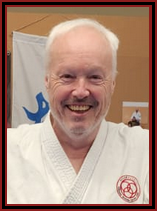
Stephen McLaughlin
Head Instructor
Kilkenny Shotokan Karate Club